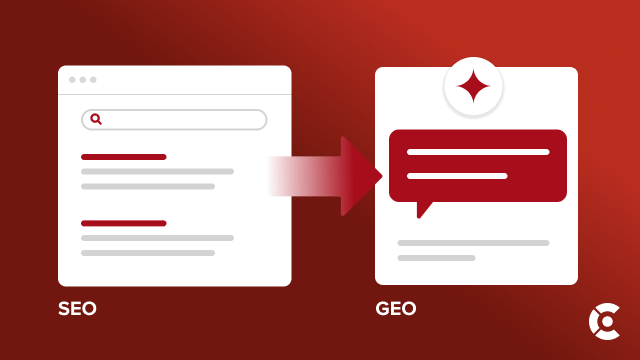
As clicks decline, brand presence in AI answers becomes the new measure of digital success. Here are seven actionable steps to prepare.
The way people search and interact online is rapidly changing. Instead of scrolling through links and clicking on websites, more users are opting to receive quick, AI-generated answers right on the results page. More often, users find what they need without ever leaving the search interface.
At the same time, generative AI platforms like ChatGPT and Perplexity are now part of this discovery journey. As of June 2025, nearly 27% of U.S. users report using AI tools instead of traditional search engines for certain queries. While AI platforms currently represent just 3% of global search volume, adoption is accelerating, especially among younger users who demand fast, context-rich answers.
This evolution has major implications for marketers and SEO professionals. Competing for the top link through search engine results pages is no longer enough. Brands now need to earn a place in the AI’s answer. That can mean being quoted, mentioned by name, or seen as a trusted authority. Visibility now begins within the AI summary, often before any clicks occur.
That’s where Generative Engine Optimization (GEO) comes in. It’s about shaping your content, credibility, and presence to earn a spot in AI-generated responses. Don’t view this as a threat, but as an unprecedented opportunity to get your message front and center. Think of it as the ultimate PR placement with your brand’s voice and expertise embedded right when people are looking for it.
Although this shift is disrupting some established metrics like click-through rates and organic traffic, it marks a new frontier for influence. For forward-thinking brands, GEO is a strategic path to relevance in the age of AI-powered discovery.
How is GEO Different from Traditional SEO?
While both GEO and SEO aim to increase visibility and build trust, their tactics, measurement strategies, and optimization goals differ in key ways.
| Component | SEO | GEO |
|---|---|---|
| Information Retrieval | Website crawlability, link signals, keyword usage | Website crawlability, link signals, pattern recognition across large-scale content networks |
| Marketing Goal/Objective | Rank in the search engine results pages (SERPs) | Appear or be mentioned in summaries |
| Measurement | Rankings, traffic, search volume, CTR | Mentions, citations, AI visibility, AI referrals |
| Content Format | Structured, keyword-targeted | Context-rich, entity-based, semantically relevant |
| Optimization Targets | Featured snippets, organic listing | AI answer inclusions, linked sources |
Steps to Prepare Your Brand for GEO
It’s important to emphasize that GEO isn’t replacing SEO, it’s built on good SEO. Indexing, linking, and crawlability still matter, but AI summaries expand how we think about visibility and discoverability. The brands that start building foundational strength now will be best positioned to lead.
Here are seven important steps to get you going:
-
Audit Content & Own Your Entities
Search engines and AI models work with entities, or related concepts, not just keywords. Audit your content to ensure it clearly connects your brand to the topics, people, products, or issues you want to be known for; meaning your websites, blogs, press releases, Wikipedia profile, LinkedIn page, industry directories, Reddit/Quora, etc. Focus on answering complex, nuanced questions that a generative model is likely to surface.
If your brand appears in Google’s knowledge graphs or brand profiles, claim those listings and ensure they are accurate. These assets help fuel AI responses.
-
Prioritize Brand Authority and Reputation Signals
What others say about your brand can matter as much as what you say yourself. Traditional credibility signals still matter. PR, thought leadership, and expert quotes boost trust signals. Follow Google’s E-E-A-T (Experience, Expertise, Authoritativeness, and Trustworthiness) guidelines with real bylines, credible sources, and original insights to strengthen your authority across channels.
Also keep in mind that even without direct citations, generative models often absorb frameworks, language, and perspectives that are widely used. The terms your brand coins, signature models, and white papers can help your thinking spread and increase your chances of being echoed in AI summaries.
-
Ensure Machine Readability
Strong technical SEO continues to be critical. Fast load times, clean structure, schema markup, and sitemaps all help generative engines read and rank your content. AI models prefer well-organized pages, which makes your content more likely to be cited in summaries.
-
Evaluate What Content Others Trust
Identify and evaluate your most-linked pages using tools like Google Search Console. Make sure they are current, authoritative, and aligned with your goals. Content that is already attracting backlinks is more likely to influence AI-generated answers. If your link equity is low, consider using PR and other outreach tactics to expand your reach and credibility.
-
Track GEO-Relevant Metrics
Standard SEO metrics do not fully capture GEO performance. To get a clearer picture, start tracking:
- Mentions in AI summaries (manual reviews or via third-party tools)
- Unlinked citations in authoritative sources
- Drops in organic CTR as a signal of “clickless” searches
- Presence in AI answer panels (especially on Google and Bing)
-
Create Content that Provides Answers
AI prioritizes clarity over keyword density. Train your teams to write with precision by focusing on how best to answer specific questions. Make your brand a clear and credible source that AI will want to cite.
-
Stay Agile and Curious
There is no fixed GEO playbook yet. Search engines are actively testing formats, citation rules, and content ranking approaches. Your best strategy is to stay flexible, experiment with content, track what gets cited, and keep optimizing.
GEO: A Competitive Advantage in the Age of Influence
Generative search is a lasting shift in how people find information and how brands build authority. The bigger story is the growing power of influence. Brands have an opportunity to shape answers, earn expert recognition, and build trust without relying on clicks. For forward-looking organizations, adopting GEO early offers a clear edge. The strongest brands won’t just appear in results; they’ll provide the answers.